

The Red Sox enter Game 2 of the Wild Card Series facing a daunting climb after a demoralizing nine zero shutout on Tuesday. While their backs are firmly against the wall, Boston knows that bouncing back from an opening loss is possible, though it will require a complete transformation of their approach. The first hurdle is purely psychological; the team must flush the memory of yesterday’s collapse before stepping onto the field. Having spent much of the regular season proving they can pivot from failure to dominance, the club needs to find that same resilience to silence a hostile New York crowd early in the contest.
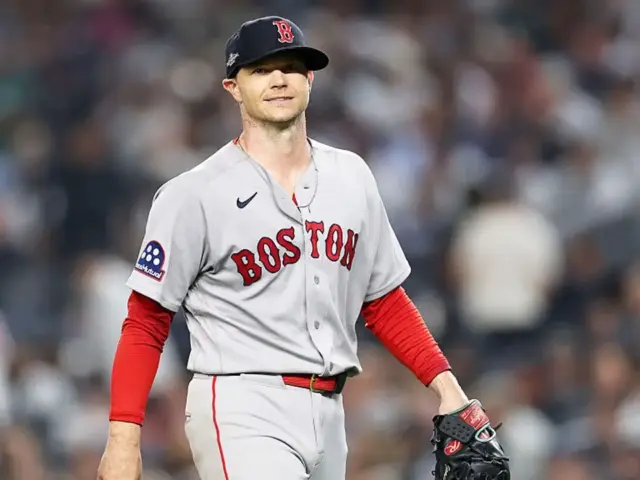
Much of the burden falls on veteran starter Sonny Gray, who arrives at Yankee Stadium with plenty of personal motivation given his complicated history with the organization. After a night where the bullpen struggled significantly, Gray is tasked with providing stability and length. For Boston to stay alive, they need him to navigate through at least six solid innings, effectively setting a defensive tone that allows the hitters to play without feeling every single mistake magnified by the pressure of elimination.
On offensive side, Boston sees an opportunity in Yankees starter Max Fried. Although he is a formidable arm, Fried has historically struggled in October postings, leaving an opening for an aggressive attack. Rather than playing cautiously or trying to slowly wear him down over several innings, the Red Sox may be better served by pouncing on him early. By attacking aggressively from the first pitch, Boston can seize momentum and potentially knock Fried out of the game before he finds his rhythm.
Finally, manager Alex Cora may need to rethink how he utilizes closer Aroldis Chapman if things get tense mid-game. There was visible frustration following Game 1 regarding when and how Chapman was deployed as the lead grew for New York. In a winner take all scenario where every run is precious, Boston cannot afford to save its best weapon for a ninth inning that might never happen. Using Chapman flexibly in high leverage situations earlier in the game could be the strategic shift necessary to force a decisive Game 3.